
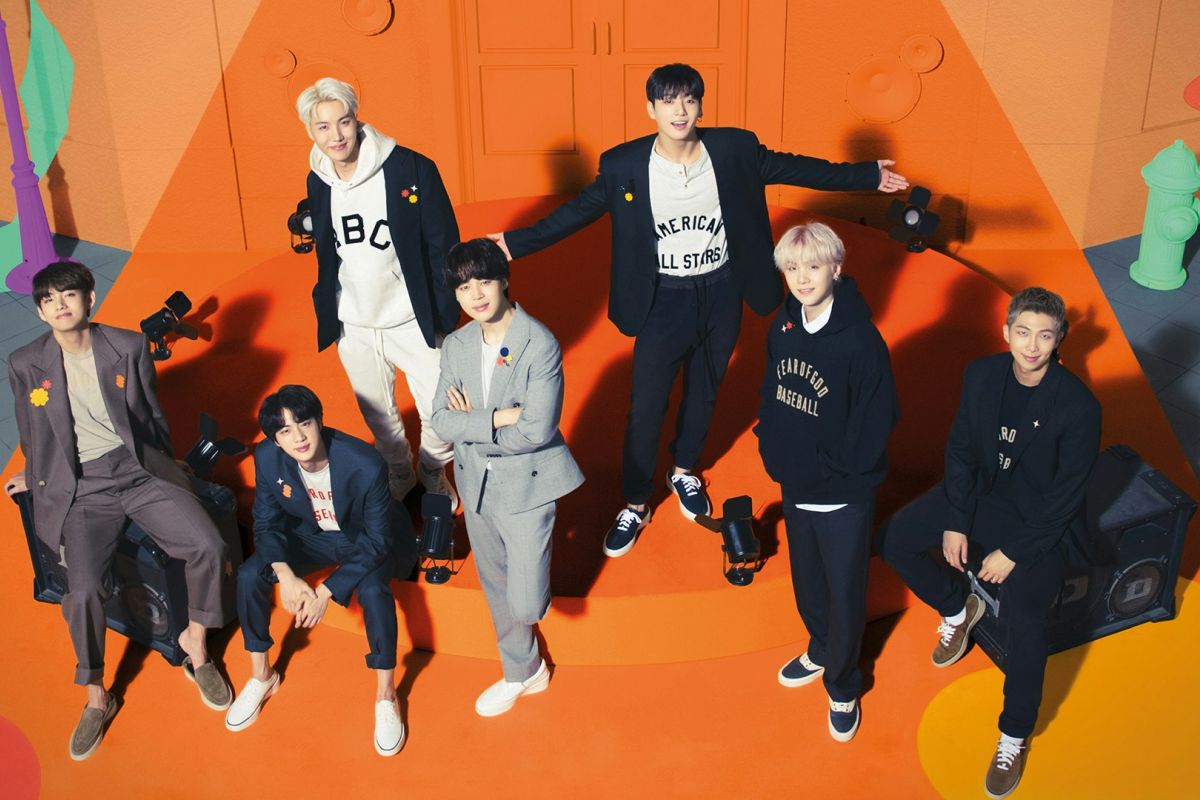
Economists say the BTS tour will increase local spending
BTS is preparing to return to touring after a long break, in which they focused on their mandatory military services and solo ventures. Now, their new world tour is scheduled to step into the United States on April 15, 2026, with the first stop in Tampa, Florida. American economists believe this tour will have a major economic impact across multiple U.S. cities. Previous large tours, such as Taylor Swift’s Eras Tour, created billions in consumer spending, and experts expect BTS to match or exceed that level due to strong global demand.
“The BTS tour will be the event of the year,” Timothy Calkins, a marketing professor at Northwestern University, expressed. “Every stop is going to see a boost in tourism, hotel occupancy, and economic activity to an extraordinary degree that might be even bigger than Taylor Swift.”
Fans are willing to travel and spend more than average
BTS fans, also named ARMY, are known for traveling long distances to see their favorite idols. Many fans book flights and hotels even before tickets go on sale, securing a part of their spending. Some plan to attend multiple shows in different cities, turning concerts into full vacations. Studies show that non-local concertgoers often spend several times more than the ticket price on hotels, food, and transportation. In addition, economists say BTS fans typically spend more than the average concertgoer, especially since the “Dynamite” singers haven’t toured widely since 2021.
A fan named Leslie Huynh said, “It’s a meme at this point that once BTS announces a tour, you just book hotels and flights first and tickets will somehow appear, whether that is resale or not,” she revealed. “I consider BTS to be a very expensive hobby of mine – like, they are what I spend my money on.”
The tour could create long-term economic effects
Experts believe the tour will benefit hotels, restaurants, small businesses, and local tourism services. Cities that host BTS concerts often see pop-up events, fan gatherings, and merchandise sales that increase overall spending. The tour is also expected to strengthen interest in Korean consumer products in the American economists say this is not just a short-term boost, but part of a larger cultural and economic trend that could continue increasing well beyond the end of the tour.
“The tour brings some much needed good news for the US in a time where US tourism is declining,” Richie Karaburun, professor of hospitality and tourism at New York University, revealed. “It’s the trickle-down effect, and that is what expands the potential economic reach of this BTS tour.”